
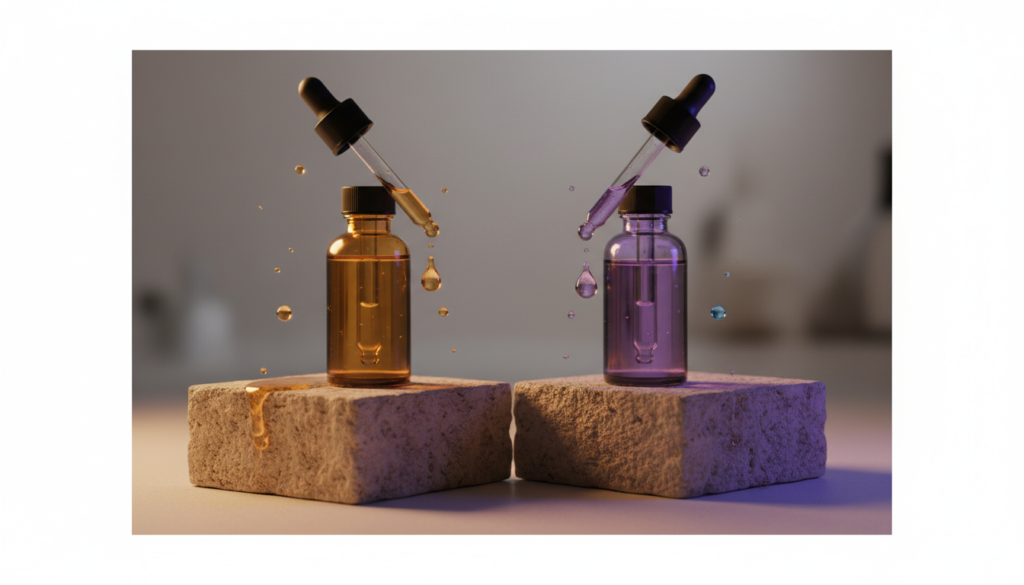
You’ve used retinol for a while. Your skin seems comfortable, and now you are wondering whether a stronger retinal product would give you better results.
That sounds like a logical next step. But stronger is not always smarter.
This guide compares retinal vs retinol for experienced users. It explains why concentrations across different retinoid types cannot be compared as simple numbers, and what to check before changing a routine that already works.
Short answer: Retinol, retinaldehyde and other cosmetic retinoid derivatives are related, but their formulations, conversion pathways and evidence differ. Skin tolerance and the complete product matter more than the biggest percentage on a label.
Why Do Experienced Users Consider Retinal?
Retinaldehyde, often called retinal, is one step closer to retinoic acid in the skin’s vitamin A conversion pathway than retinol. That difference can make retinal interesting to someone who already tolerates a retinoid. But the conversion pathway does not prove that every retinal product works better than every retinol formula.
Before switching, ask yourself what is still bothering you. Is it fine lines, acne or a persistent dark spot? Or are you shopping because an advertisement calls retinal the new must-have ingredient?
What does the American Academy of Dermatology advise? Begin retinoids cautiously, adjust to your skin’s tolerance and use sun protection. Redness, dryness and irritation are reasons to rethink your routine, not signs of guaranteed extra results.
Retinal, Retinol and Granactive Retinoids Are Not Identical
| Label on product | What it describes | Buying caution |
|---|---|---|
| Retinol | A cosmetic vitamin A derivative | Strength and effectiveness depend on the finished formula |
| Retinaldehyde or retinal | A related vitamin A derivative closer to retinoic acid in the conversion pathway | Higher strength can increase irritation; read brand directions |
| Granactive retinoid | Marketing commonly used for formulas containing hydroxypinacolone retinoate or related blends | The product percentage is not directly interchangeable with retinol percentages |
| Prescription tretinoin | A medication prescribed for specific skin conditions | Needs professional guidance and is not a casual upgrade from a cosmetic serum |
The biggest trap is comparing numbers without comparing substances. A product advertising “5% granactive retinoid” is not necessarily five times as strong as one labeled “1% retinol.” Check the actual active ingredient and the manufacturer’s explanation.
Five Retinoid Products in the Historical GearDepots List
These are examples retained from the original article, not current hands-on rankings or verified retailer recommendations. Check current brand formulas and product instructions before making a purchase.
1. Medik8 Crystal Retinal 6
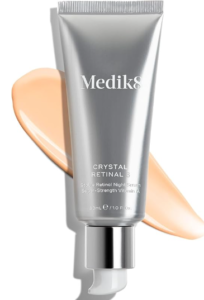
Medik8 markets Crystal Retinal in a range of strengths. The original listing describes Crystal Retinal 6 as a retinal formula. If you are considering a step up from a lower strength, compare the latest brand chart and instructions rather than assuming you should use the stronger version nightly.
Worth checking: Official concentration, packaging, recommended frequency and whether your previous retinoid use makes this suitable.
2. The Ordinary Granactive Retinoid 5% in Squalane
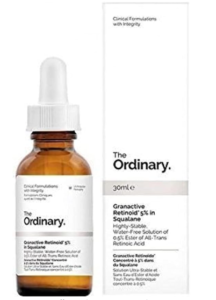
Here is why ingredient names matter. “Granactive retinoid” is a different label from ordinary retinol. Do not rank the two products using only the concentration printed on the front. The supporting oil-based formula may also feel different from a water-based serum.
Worth checking: The current active type, squalane texture, storage directions and compatibility with your routine.
3. Minimalist Retinoid Night Cream
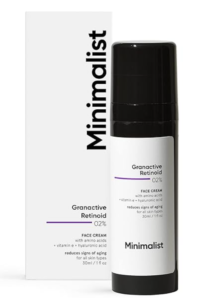
A cream format can be appealing when you want your retinoid in a more moisturizing vehicle. But a cream is not automatically less irritating than a serum. Check the specific derivative and complete formula.
Worth checking: The retinoid form, directions and how it fits with your moisturizer.
4. Suganda Granactive Retinoid in Squalane
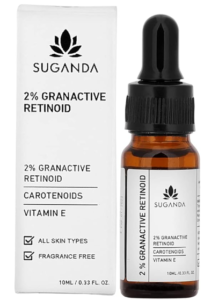
Another formula marketed with a granactive retinoid label. Compare the exact version and oil texture against the products above. Ingredient category and full directions should guide your choice more than a dramatic “anti-aging” promise.
Worth checking: Current composition, pack size and whether a similar formula is already in your routine.
5. WishCare Retinol Serum
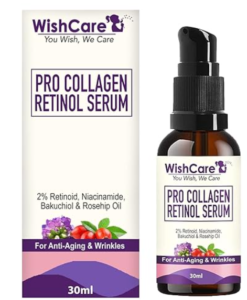
This archived listing refers to a combination retinoid serum. If you prefer multiple actives in one bottle, look carefully at what else is included and how your skin has responded to similar products in the past.
Worth checking: Whether the ingredient list matches the current package, and whether added actives might irritate you.
Five Rules Before You Increase Retinoid Strength
- Keep one variable at a time. Do not change the retinoid, exfoliant and moisturizer on the same night if you want to know what caused a reaction.
- Follow current product directions. Some formulas recommend a slower introduction. Your past tolerance does not guarantee your skin will accept a stronger product immediately.
- Watch for irritation. Stinging, peeling and persistent redness are signals to reduce or stop use and get advice.
- Do not skip the basics. Gentle cleansing, moisturizer and broad-spectrum SPF 30 or higher are still useful.
- Know when to seek medical advice. Acne, dark patches and scarring may need an individualized treatment plan rather than a more expensive serum.
Pregnancy caution: Retinoids should not be used during pregnancy. If you are pregnant, planning pregnancy or unsure about a treatment, discuss it with a healthcare professional.
Frequently Asked Questions
Does retinal act faster than retinol?
Retinal has a different conversion pathway, but claims about faster results from a specific product require product-specific evidence. A general chemical difference is not enough to make a guarantee.
Is 5% granactive retinoid stronger than 1% retinol?
Those percentages are not directly comparable. Check the specific active and the formula rather than comparing numbers in isolation.
Should experienced users apply retinal every night?
Not automatically. Follow the exact product directions and your dermatologist’s advice, and adjust according to tolerance.
Can I combine retinal with exfoliating acids?
That combination can irritate some people. If you already use a retinoid, add other actives cautiously and stop if your skin becomes uncomfortable.
Final Verdict
For experienced retinoid users, retinal can be a reasonable product category to research. It is not a required upgrade. If your current retinol suits your skin, you may gain more from consistent use than from chasing a stronger percentage.
Comparing other treatments? Read our azelaic acid vs tretinoin guide.
Editorial note: Product images are historical and not evidence of current formulations, personally tested results or seller availability. Repeated legacy Amazon links were excluded because they were not product-specific.
References: AAD: Retinoid or retinol?; AAD: Pregnancy skincare.