
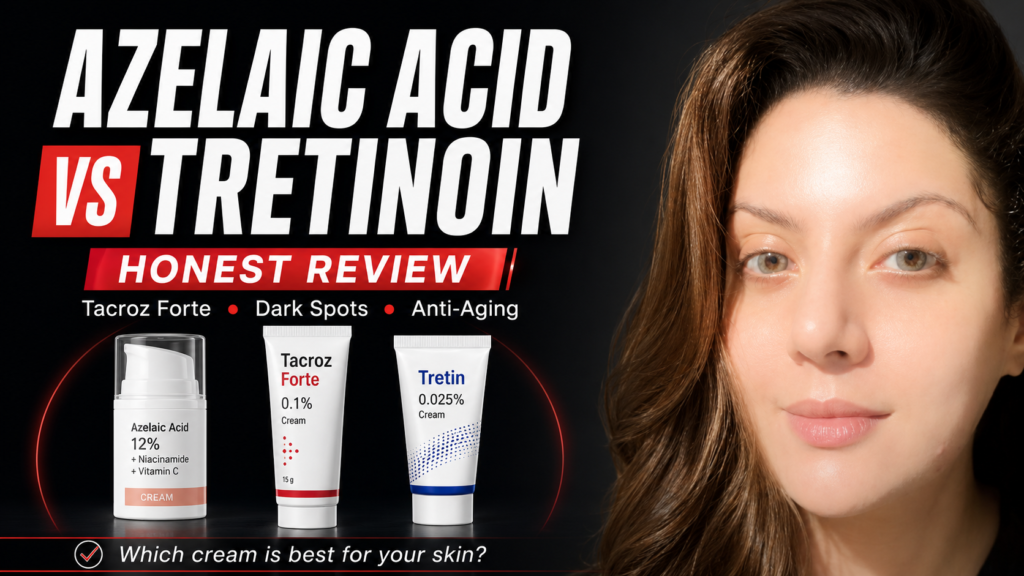
Azelaic acid vs tretinoin is one of the most common comparisons people search for when they want to treat dark spots, acne marks, fine lines, uneven skin tone, and early signs of aging. If you are confused between Azelaic Acid Cream, Tacroz Forte 0.1% Ointment, and Tretin 0.025% Cream, this honest review will help you choose the right product based on your skin type, concern, and tolerance level.
Finding the right skincare product for dark spots, fine lines, acne marks, uneven skin tone, and dull texture can feel confusing. One product promises brightening. Another claims anti-aging. Another is recommended by people online as a “tretinoin alternative.” But when your skin is sensitive or pigmentation-prone, choosing the wrong active can leave you with irritation, peeling, redness, or worse-looking marks.
After reviewing three popular options—Azelaic Acid Cream with Niacinamide & Vitamin C, Tacroz Forte 0.1% Ointment, and Tretin-0.025% Cream—I found that each product has a very different role. They are not the same, and they should not be used casually in the same way.
In this review, I’ll break down what each product is best for, what kind of results to expect, who should avoid it, and which one makes the most sense depending on your skin goals.
Important note: Tretinoin and tacrolimus products may require medical guidance depending on your country. This article is for educational product-review purposes and does not replace advice from a dermatologist.
Quick Answer: Azelaic Acid vs Tretinoin: Which One Is Better for Dark Spots and Anti-Aging?
For most beginners dealing with pigmentation and sensitive skin, Azelaic Acid 12% with Niacinamide & Vitamin C is the gentlest starting point. Azelaic acid is used for mild to moderate acne and may also help rosacea-related redness and pigmentation concerns.
For inflammation-prone or eczema-prone skin, Tacroz Forte 0.1% Ointment is more of a doctor-guided skin-calming product than a cosmetic anti-aging cream. Tacrolimus is not a steroid, and it is commonly used for inflammatory skin conditions like atopic dermatitis.
For proven anti-aging, acne, rough texture, and fine lines, Tretin-0.025% Cream is the strongest classic option. Tretinoin has evidence for improving photoaging, and Mayo Clinic notes that some tretinoin creams are used for fine wrinkles, dark spots, and rough facial skin caused by sun damage.
I’ve tested three potent options that are currently trending for serious anti-aging and skin resurfacing:
Best overall for beginners: Azelaic Acid Cream
Best for dermatologist-guided inflammation care: Tacroz Forte 0.1% Ointment
Best for anti-aging and fine lines: Tretin-0.025% Cream
Here’s my honest review of each, including who they’re best for, real-life results, and what to expect.
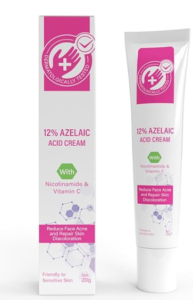
1. Best Cream for Dark Spots and Uneven Skin Tone: Azelaic Acid 12% + Niacinamide + Vitamin C
Azelaic Acid Cream is the product I would recommend first for someone who wants visible skin improvement without jumping straight into strong retinoids. The formula combines three useful brightening ingredients: 12% azelaic acid, niacinamide, and vitamin C.
This makes it especially interesting for people searching for azelaic acid cream for dark spots, best azelaic acid cream for post acne marks, and azelaic acid niacinamide vitamin C cream review.
Azelaic acid is popular because it works on multiple concerns at once. It is used for acne, redness-prone skin, and pigmentation concerns, while generally being better tolerated than many stronger actives. DermNet notes that azelaic acid is used for mild to moderate acne and may also be useful in rosacea-related concerns.
What I Like About It
The biggest advantage is balance. Many brightening products are either too weak or too irritating. This one sits in the middle. The azelaic acid helps with clogged pores and pigmentation, niacinamide supports the skin barrier, and vitamin C adds antioxidant and brightening support.
It also fits well into a simple skincare routine. You can use it at night or, depending on your skin tolerance and the rest of your routine, during the day under sunscreen.
Real-Life Results
After consistent use, this type of formula can make skin look smoother, brighter, and more even. It will not erase deep wrinkles overnight, but it can help reduce the look of small marks and rough texture over time.
The most realistic timeline is 3–8 weeks for early visible changes, especially on mild post-acne marks and dullness. For stubborn melasma or deeper pigmentation, results usually take longer and may require dermatologist support.
Pros
- Good option for sensitive or beginner skin
- Helps target dark spots, acne marks, and uneven tone
- Less aggressive than tretinoin
- Can support smoother texture
- Works well as a daily brightening product
Cons
- Not as powerful as tretinoin for wrinkles
- Results are gradual
- May still sting on compromised or irritated skin
- Needs sunscreen for best pigmentation results
Who Should Buy Azelaic Acid Cream?
Choose this if you want a gentle but serious brightening cream for dark spots, post-acne marks, mild acne, or early signs of aging.
INDIA: Buy Now
DUBAI: Buy Now
GLOBAL: Buy Now
Read More: Skincare Routine
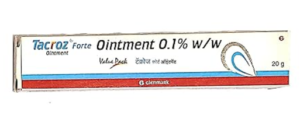
2. Tacroz Forte 0.1% Ointment Review: Best for Inflammation, Not Wrinkle Removal
Tacroz Forte 0.1% Ointment is very different from the other two products. It is not a regular cosmetic brightening cream and it is not a classic anti-aging treatment. It contains tacrolimus, a topical calcineurin inhibitor, which works by calming immune-driven skin inflammation. NHS guidance describes topical tacrolimus as a non-steroid treatment used in dermatology, and 1mg lists Tacroz Forte Ointment for atopic dermatitis.
This product is useful for searchers looking for Tacroz Forte 0.1 ointment review, Tacroz Forte for pigmentation, and Tacroz Forte ointment for sensitive skin, but the article must be honest: Tacroz Forte is not a first-choice wrinkle cream.
What I Like About It
The strongest benefit of Tacroz Forte is how well it can calm irritated-looking skin when used appropriately. If your pigmentation is made worse by redness, eczema-like irritation, or inflammation, this product may support the skin indirectly by reducing the inflammation cycle.
It also feels protective on dry skin because the ointment texture creates a moisturized finish. For people with reactive skin, this can feel comforting.
What to Be Careful About
Tacrolimus is a serious topical medicine. The FDA label for Protopic/tacrolimus includes a boxed warning about long-term safety of topical calcineurin inhibitors, and the product is for dermatologic use only.
Common early effects may include burning, tingling, itching, or warmth at the application site. NICE also lists mild short-acting skin irritation as a common adverse effect for topical calcineurin inhibitors.
Because of this, Tacroz Forte should not be treated like a casual beauty cream. It is best used with dermatologist guidance, especially if you plan to use it around the face, long term, or alongside other active ingredients.
Real-Life Results
As a spot-support product for irritation, it can be impressive. Redness may look calmer, skin may feel less reactive, and inflamed patches can appear more comfortable. But for wrinkles, collagen support, or deep anti-aging results, it does not compete with tretinoin.
Pros
- Helpful for inflammation-prone skin
- Non-steroid option
- Can be suitable for sensitive, eczema-prone areas when prescribed
- Hydrating ointment texture
- May support pigmentation indirectly when inflammation is a trigger
Cons
- Not a cosmetic anti-aging product
- Not designed mainly for wrinkle reduction
- Can sting or burn at first
- Should be used with medical guidance
- Ointment texture can feel sticky
Who Should Buy Tacroz Forte 0.1% Ointment?
Choose this only if your skin concern includes inflammation, redness, eczema-prone irritation, or dermatologist-directed care.
INDIA: Buy Now
DUBAI: Buy Now
GLOBAL: Buy Now
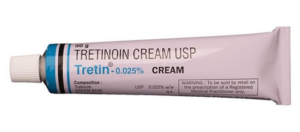
3. Tretin-0.025% Cream Review: Best for Fine Lines, Acne & Texture
Tretinoin is often called the gold standard for anti-aging skincare, and for good reason. It is a prescription retinoid with strong research behind it for acne and photoaging. A systematic review found topical tretinoin has evidence in photoaging treatment, including effects on epidermal cell regulation and collagen formation.
For buyers searching Tretin 0.025 cream for anti aging, Tretin 0.025 cream review, or buy tretinoin 0.025 cream online, this is the product that most directly matches wrinkle and texture intent.
What I Like About It
Tretin-0.025% Cream is strong enough to make a visible difference over time, but the 0.025% strength is often more approachable than higher concentrations. It can help with clogged pores, acne marks, rough skin, dullness, and early fine lines.
It works best when used slowly and consistently. Many people make the mistake of applying too much too often, then stop because of peeling. A better approach is to start 2–3 nights per week, use a pea-sized amount, moisturize well, and wear sunscreen every morning.
Real-Life Results
The first few weeks may bring dryness, mild peeling, or sensitivity. That is why moisturizer is not optional. With consistent use, skin may gradually look smoother, clearer, and more refined.
For fine lines and texture, expect changes over 8–12 weeks or longer. For acne-prone skin, some people notice changes earlier, but purging or temporary breakouts can happen.
Pros
- Strongest option for fine lines and texture
- Clinically supported for photoaging concerns
- Helps acne and clogged pores
- Can improve roughness and uneven tone over time
- Small amount goes a long way
Cons
- Can cause dryness, redness, peeling, or irritation
- Not ideal for very sensitive skin without slow introduction
- Requires daily sunscreen
- Should be avoided during pregnancy unless a doctor advises otherwise
- Needs patience and consistency
Who Should Buy Tretin-0.025% Cream?
Choose this if your main goals are anti-aging, fine lines, acne, clogged pores, and smoother texture—and you are ready to follow a careful routine.
INDIA: Buy Now
DUBAI: Buy Now
GLOBAL: Buy Now
Head-to-Head Comparison
| Product | Strength | Ideal For | Key Benefits | Sensitivity Risk |
|---|---|---|---|---|
| Azelaic Acid 12% + Niacinamide + Vitamin C | Gentle-moderate | Sensitive skin, pigmentation | Brightening, mild anti-aging, acne | Low |
| Tacroz Forte 0.1% | Strong for inflammation | Inflamed or eczema-prone skin | Reduces redness, pigmentation | Medium |
| Tretin-0.025% | Moderate-strong | Classic anti-aging, acne | Collagen boost, fine lines, acne | Medium-High |
Can You Use Azelaic Acid and Tretinoin Together?
Yes, some people use azelaic acid and tretinoin in the same long-term routine, but not always at the same time of day. A gentle approach is to use azelaic acid in the morning and tretinoin at night, or alternate nights if your skin is sensitive.
Do not rush. If your skin barrier becomes dry, red, flaky, or burning, reduce frequency and focus on moisturizer. Sunscreen is essential because pigmentation gets worse with UV exposure, and tretinoin works best as part of a routine that includes sun protection. Mayo Clinic also notes tretinoin works best within a skincare program that protects treated skin from the sun.
Featured Snippet Answer: Which Is Better for Dark Spots, Azelaic Acid or Tretinoin?
Azelaic acid is usually better for beginners, sensitive skin, redness, and mild post-acne marks. Tretinoin is stronger for fine lines, acne, rough texture, and long-term photoaging improvement. For many people, azelaic acid is the safer starting point, while tretinoin is the stronger anti-aging option when used carefully.
People Also Ask
Is Azelaic Acid Cream good for dark spots?
Yes, azelaic acid can help improve the appearance of dark spots and uneven tone, especially when pigmentation is related to acne marks or inflammation. It works gradually and should be paired with sunscreen.
Is Tacroz Forte 0.1% an anti-aging cream?
No. Tacroz Forte is not a standard anti-aging cream. It is a tacrolimus ointment used for inflammatory skin conditions and should be used with medical guidance.
Is Tretin-0.025% Cream good for wrinkles?
Yes, tretinoin is one of the best-studied topical options for photoaging, fine lines, and rough texture. Results take time and irritation is common if introduced too quickly.
Which product is best for sensitive skin?
Azelaic Acid 12% with Niacinamide & Vitamin C is usually the most beginner-friendly option. Tacroz Forte may be suitable for sensitive inflammatory skin, but only when medically appropriate.
Which one should I buy first?
For dark spots and sensitive skin, start with Azelaic Acid Cream. For fine lines and acne, consider Tretin-0.025% Cream. For inflammation or eczema-prone skin, ask a dermatologist about Tacroz Forte.
Final Verdict: My Honest Recommendation
If I had to choose one product for most people, I would start with Azelaic Acid Cream 12% + Niacinamide & Vitamin C. It is gentle, practical, and targets the most common concerns: dark spots, uneven tone, mild acne, and dull texture.
If your main goal is serious anti-aging, Tretin-0.025% Cream is the stronger option. It has better support for fine lines, roughness, and long-term texture improvement—but it also demands more patience, sunscreen, and barrier care.
If your skin is inflamed, eczema-prone, or constantly irritated, Tacroz Forte 0.1% Ointment may help, but it belongs in a more medical category and should not be treated like a regular beauty product.
Best gentle brightening pick: Azelaic Acid Cream
Best anti-aging pick: Tretin-0.025% Cream
Best inflammation-support pick: Tacroz Forte 0.1% Ointment
For safe, consistent skincare shopping, check availability by region on GearDepots and choose the product that matches your skin goal—not just the strongest product trending online.