

One niacinamide bottle says 5%. The next says 10%. Then a 20% formula appears and promises even more.
Does the biggest number mean you will get the best result?
Not necessarily. When you compare niacinamide 5% vs 10% vs 20%, the concentration is only one part of the decision. Your skin’s tolerance, the other ingredients and the reason you are using niacinamide matter more than a dramatic percentage on the label.
This guide explains what the strengths mean, when a simple moisturizer may be enough and how to assess the products mentioned in the older GearDepots comparison.
Niacinamide 5% vs 10% vs 20%: Quick Comparison
Niacinamide is a form of vitamin B3 found in moisturizers, serums and other skincare products. It has been studied for skin-barrier function, oiliness and the appearance of some uneven pigmentation. Those studies do not show that every higher-strength product is automatically better.
| Concentration | Why someone might consider it | What to watch |
|---|---|---|
| 2% to 5% | A starting point for a dedicated serum or an ingredient in moisturizer | Full formula, fragrance and skin tolerance |
| 10% | A commonly marketed higher-strength serum | Not proven to outperform lower strengths for every concern |
| 20% | A concentrated option seen in some targeted products | May be harder to tolerate and is rarely necessary for a basic routine |
What would I choose first? If you are new to niacinamide, I would compare a simpler moisturizer or a lower-strength serum before buying the most concentrated product. That is an editorial preference based on keeping routines manageable, not a claim that one specific bottle has been tested.
What Does Niacinamide Actually Do?
Skin-Barrier Comfort
Niacinamide appears in products marketed for dry or uncomfortable skin. Some research suggests it can support barrier-related functions. That does not mean adding five niacinamide products will help five times more.
Oiliness and Visible Shine
Some topical studies have looked at oil production and shine. But the concentration, overall formula and individual skin response matter. Do not treat a cosmetic serum as a complete acne-treatment plan.
Uneven Tone and Marks
Niacinamide is included in products targeting uneven-looking tone. It does not treat every cause of dark spots. If you have melasma, persistent post-acne marks or a changing patch, consider the cause before choosing a serum.
DermNet’s overview of nicotinamide discusses research on topical niacinamide and notes that evidence varies across uses. A study of a given concentration does not prove the same outcome for another brand’s finished formula.
Who Might Prefer 5% Niacinamide?
If your skin becomes red or uncomfortable when you add new treatments, keeping the routine simple can help. A 5% serum may be a reasonable strength to compare, especially if you want one dedicated niacinamide product.
Still, you might not need a serum at all. Many moisturizers already contain niacinamide. Check the ingredients in the cream you use before doubling up.
Should You Use 10% Niacinamide?
Ten-percent serums are common in the skincare aisle. They are worth comparing if you already know your skin tolerates niacinamide and you like the complete formula. But a 10% bottle is not a promotion you have to earn by finishing a 5% one.
If another ingredient in the serum causes dryness or stinging, the percentage on the front cannot tell you which part is responsible. Change one product at a time so you can judge what works.
Does Anyone Need a 20% Niacinamide Serum?
For most basic routines, there is no strong reason to reach for the highest available percentage. A concentrated serum may cause discomfort in some users, and evidence that it provides extra cosmetic benefit is limited.
That does not mean every 20% product is harmful. It means you should have a clear reason for choosing one and understand that formulation and tolerance matter more than a marketing superlative.
Four Niacinamide Serums From the Original Product List
The original GearDepots article included several formulas that were marketed at different strengths. Below are four examples. These are not current price checks, personalized medical recommendations or independently tested rankings.
Minimalist 5% Niacinamide Face Serum
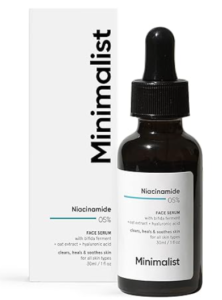
Why compare it: A lower-strength product is a useful reference point when you are assessing ingredient concentration. What to check: The current formulation, other active ingredients, pack size and seller.
Plum 5% Niacinamide Face Serum
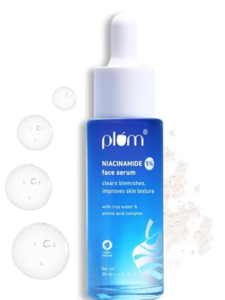
Why compare it: Two products advertising the same strength may still differ in texture, fragrance and supporting ingredients. What to check: Whether your current moisturizer already contains niacinamide and whether another serum adds value.
The Ordinary Niacinamide 10% + Zinc
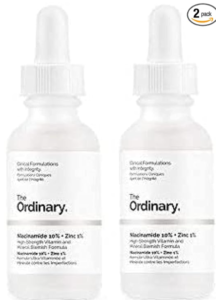
Why compare it: A higher-concentration formula lets you consider a different texture and ingredient combination. What to check: Skin tolerance and the brand’s current instructions. Do not assume zinc plus more niacinamide makes a product automatically better.
The INKEY List Excess Oil Solution Niacinamide 20%
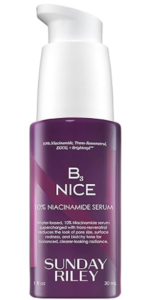
Why compare it: It illustrates how concentrated options are marketed for particular concerns. What to check: Whether a strong formula is appropriate for your skin and what supporting ingredients it contains. A larger number does not establish better clinical results.
How to Add Niacinamide to Your Routine
- Decide what you want to improve. Oily-looking skin, dryness and pigment concerns are different.
- Check products you already use. Look for niacinamide in moisturizers, sunscreens and combination serums before buying another bottle.
- Choose a manageable formula. Begin with one new product and follow its directions.
- Watch your skin. Persistent stinging, swelling or irritation means you should stop and reassess.
- Keep daytime sun protection. Niacinamide does not replace broad-spectrum sunscreen.
Common Questions
Is 10% niacinamide always better than 5%?
No. Different studies and products use different formulations. You cannot conclude that 10% is better for everyone from the concentration alone.
Can beginners use 20% niacinamide?
A high percentage is usually unnecessary for a beginner’s routine. Check with a professional if you are treating a specific skin condition or experiencing irritation.
Can you combine niacinamide with vitamin C or retinol?
Some routines do combine them, but suitability depends on the products and your skin. Introduce one new formula at a time, especially if you already use strong treatments.
How fast will dark spots disappear?
There is no fixed timeline, and some marks need treatment beyond cosmetic skincare. Consistent sun protection is important when pigmentation is your concern.
Final Verdict
Start by asking whether you need a niacinamide serum at all. If you do, choose a formula you can use comfortably. Five percent may be easier to compare as a first dedicated serum, while 10% and 20% should not be treated as automatic upgrades.
Want to compare products available in India? Read our beginner niacinamide buying guide.
Editorial note: Product images were retained from the historical article. Current prices, formulas and original product-specific retailer destinations have not been independently verified; repeated affiliate links were therefore excluded.
Reference: DermNet: Nicotinamide (niacinamide).