

Can a ₹500 skincare product give you glass skin?
It is a tempting promise, especially when a pharmacy shelf is full of exfoliating creams, acne gels and products sold for dark spots. But the cheapest strong acid is not automatically the best route to smoother skin.
This glass skin on a budget guide focuses on what exfoliating products can and cannot do. It also explains why some Indian pharmacy items in an older shopping list belong in a medical-treatment discussion rather than an everyday cosmetic routine.
Quick answer: Gentle cleansing, moisturizer and sunscreen are the foundation. If you have rough texture or clogged pores, a suitable exfoliating product may help, but overdoing it can lead to irritation and darker marks. You may not need exfoliation at all.
What Does Glass Skin Mean Here?
“Glass skin” describes a hydrated, smooth-looking appearance. It is not a medical diagnosis and does not require perfect pores or flawless natural texture. A gentle routine can make skin more comfortable, but no pharmacy cream can change everyone’s skin in the same way.
Think about the result you want. Is your skin dry and dull? Do you have active acne, post-acne marks, rough texture or a pigmentation disorder? Those concerns are different, and the products below are not interchangeable.
Understand the Acids Before You Shop
Lactic Acid: An AHA Used for Exfoliation
Lactic acid is an alpha hydroxy acid. Cosmetic formulas use it to exfoliate the skin’s surface. The complete concentration and formula matter, and sensitive users may experience stinging.
Mandelic Acid: Another Alpha Hydroxy Acid
Mandelic acid is also an AHA. Some people compare it when looking for a gentler-feeling exfoliant, but you should not assume it cannot irritate. Follow instructions for the exact product.
Glycolic Acid: Stronger Is Not Automatically Better
Glycolic acid appears in skincare and professional peels. The strength and formulation change how it should be used. A low-cost pharmacy product may not be appropriate for facial use without advice.
Salicylic Acid: Often Marketed for Clogged Pores
Salicylic acid is a beta hydroxy acid used in some acne-oriented routines. It is not necessary for every glass-skin routine and may dry out already irritated skin.
Azelaic Acid: A Treatment Ingredient, Not Just an Exfoliating Toner
Azelaic acid is used for conditions including acne and some pigmentation concerns. It should not be grouped thoughtlessly with ordinary exfoliating cosmetics. Depending on strength and location, products may have medical-use requirements. DermNet’s azelaic acid guide explains its uses and potential irritation.
Five Indian Pharmacy Products From the Older Guide
These were listed in the previous GearDepots article. The names and archived images are shown for context, not as current buying recommendations. Check with a pharmacist or dermatologist about treatment products and current local regulations, and verify any seller listing before purchasing.
1. Neemli Naturals Lactic Acid and Hyaluronic Acid Serum
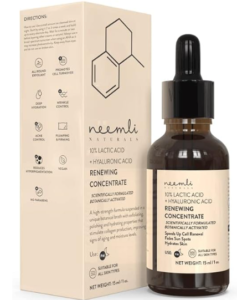
The archived product title combines an exfoliating AHA with a hydrating ingredient. Do not assume the hydrating ingredient cancels out irritation risk. Confirm the current directions and whether the concentration suits your skin.
Compare: Formula, frequency, other active ingredients and skin tolerance.
2. Sefpil Mandelic Acid Cream
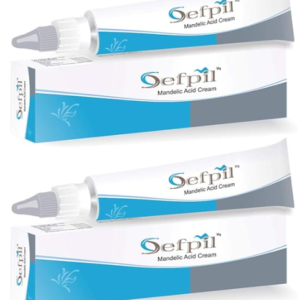
Mandelic-acid treatment creams may have different strengths and intended uses. Do not choose one only because it is inexpensive or mentioned in an online list.
Compare: Current ingredients, instructions and whether medical or pharmacist advice is needed.
3. Zitcare-S Gel
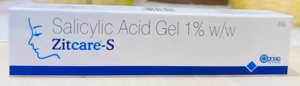
This is a pharmacy-style product listing, not a general recommendation for everyone wanting a glowing complexion. Check the active ingredient, local dispensing rules and whether the skin concern you have actually matches the product’s purpose.
Compare: Appropriate use, contraindications and directions from a qualified professional.
4. Aziderm Azelaic Acid Gel
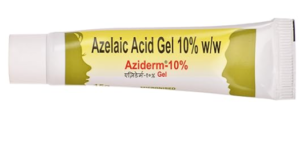
Azelaic acid is often discussed for acne and pigmentation, not for creating an instant glass-skin effect. Treat a product like this as a treatment decision, not a beauty-trend purchase.
Compare: Diagnosis, current concentration, possible irritation and medical guidance.
5. GA-6 Glycolic Acid Cream
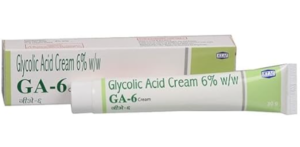
Glycolic acid can affect the outer skin surface, but the right formula and use frequency depend on your skin. Strong exfoliation can worsen irritation and post-inflammatory dark marks in some people.
Compare: Strength, whether it is appropriate for your skin, and the current manufacturer’s instructions.
What Does a Safe Budget Routine Look Like?
- Cleanse gently. Use a mild face wash and lukewarm water. Avoid rough scrubbing.
- Moisturize. Pick a texture that feels comfortable for your skin type.
- Use sun protection. Apply broad-spectrum SPF 30 or higher when outdoors and reapply according to directions.
- Consider one treatment only if needed. Identify the actual concern and check whether exfoliation is appropriate. Do not start several acids together.
- Stop when skin reacts badly. Persistent redness, burning or peeling is not proof that the product works better.
The American Academy of Dermatology’s exfoliation guidance warns that aggressive exfoliation can worsen irritation and, for some skin tones, dark marks.
How to Shop Around ₹500 Without Misleading Yourself
Compare prices from current legitimate retailers. A product that cost ₹450 in an old screenshot might be more expensive today, or available only in a different pack size. Check the cost per unit and do not buy a medical treatment simply to meet a budget target.
If your budget is tight, a basic moisturizer and sunscreen may offer better day-to-day value than a strong acid you rarely use. The right decision depends on your actual skin concern.
Frequently Asked Questions
Will exfoliation give me glass skin overnight?
No. Any immediate smooth appearance may be temporary, and over-exfoliating can damage the skin’s comfort and appearance.
Is azelaic acid the same as glycolic acid?
No. They have different chemical properties and common uses. Do not substitute one for the other based only on price.
Should sensitive skin use strong acids?
Be cautious. If your skin is already irritated or you use prescribed treatments, ask a dermatologist before introducing an exfoliant.
Can I mix several pharmacy creams for faster results?
That can increase irritation and other risks. Follow the exact directions for each product and seek professional advice for a medical concern.
Final Thoughts
Better glass-skin habits do not have to cost much. Begin with the basics, protect your skin and compare ingredients only when you know why you need them. A strong pharmacy cream is not a shortcut to poreless skin.
For a more detailed ingredient comparison, see our AHA vs BHA vs PHA guide.
Editorial note: Old product images do not verify current pack contents or local sales rules. Repeated Amazon links were excluded because they were not reliably tied to individual products. This article is informational, not prescribing advice.
Sources: AAD: How to safely exfoliate; DermNet: Azelaic acid.