
Washed your face, reached for a towel, and felt your skin tighten before you even applied moisturizer?
That uncomfortable feeling is a good reason to rethink your routine. Dry skin often needs less scrubbing and better moisture support, not one more expensive active serum.
A practical dry skin skincare routine begins with gentle cleansing, a moisturizer that suits your skin, and sun protection. You can add other products later, but only if they solve a problem the basics cannot.
In this guide, you will find a morning and evening routine, the ingredients worth comparing, and a closer look at several cleansers, serums and creams mentioned in the original GearDepots shopping list.
Dry Skin vs Dehydrated Skin: What Is the Difference?
Dry skin is a skin type that tends to have less oil. Dehydrated skin describes a temporary lack of water and can happen alongside oily, combination or dry skin. The two problems can feel similar, so a shiny face does not automatically mean your skin is hydrated.
If your face flakes in cool weather, stings after washing or feels rough around the cheeks, start by reducing obvious irritants. Persistent cracking, bleeding, intense itching or a recurring rash should be assessed by a healthcare professional.
The American Academy of Dermatology’s dry-skin guidance recommends gentle, fragrance-free skincare and frequent moisturizing. Applying moisturizer while your skin is still slightly damp can help hold in water.
Your Morning Dry Skin Skincare Routine
1. Cleanse Gently, If You Need To
You may prefer a mild cleanser or simply rinsing in the morning, depending on your skin and what you used the night before. When you do cleanse, use lukewarm water and avoid hard scrubbing.
Does your face feel squeaky and tight afterward? That is not the goal. Look at whether a gentler, fragrance-free product is a better fit.
2. Moisturize While Skin Is Slightly Damp
Choose a moisturizer that feels comfortable and helps reduce the tight sensation. Creams or ointments may be more useful than a light lotion when skin is very dry. Ingredients such as glycerin, petrolatum and ceramides often appear in barrier-support products.
You do not have to buy a separate serum before using a moisturizer. Start with a basic product, then work out whether you need another step.
3. Apply Broad-Spectrum Sunscreen
Use a broad-spectrum sunscreen with SPF 30 or higher when exposed to daylight, along with shade and protective clothing. Find a texture you can apply adequately; a product that feels uncomfortable may discourage consistent use.
Dryness does not protect you from sun damage. Nor does an expensive moisturizer replace sunscreen unless it provides appropriate labeled protection and you use enough.
Your Evening Routine: Remove, Cleanse and Rehydrate
- Remove makeup and sunscreen. Use a suitable gentle remover if needed, especially for long-wear makeup. Avoid pulling at dry or irritated areas.
- Cleanse without overheating your skin. Use lukewarm water. Hot water and frequent scrubbing can make dryness worse.
- Apply moisturizer promptly. A cream may be useful when your cheeks or forehead feel tight. Very dry patches may benefit from a more protective ointment, depending on the area and your skin.
- Keep strong treatments optional. Retinoids and exfoliating acids can be irritating. If your skin is peeling or stinging, introducing a new active is not the priority.
That is the core routine. You can make it more complicated, but first ask whether that actually helps.
Ingredients That May Help Dry Skin Feel More Comfortable
Glycerin and Hyaluronic Acid
These are humectant ingredients used to attract or hold water in the skin’s outer layers. They can be helpful in a serum or moisturizer. But a serum alone may not give very dry skin the protective finish it needs.
Ceramides
Ceramides are part of the skin’s natural barrier. Skincare formulas containing ceramides may help support barrier comfort. Look at the finished cream or lotion rather than buying purely because the label mentions ceramides.
Petrolatum and Other Protective Ingredients
Occlusive ingredients help reduce water loss. They can feel heavier, which may be helpful on rough, dry patches but less appealing to someone who dislikes rich textures.
Exfoliating Acids and Retinoids
These can be useful for some specific concerns but are not first-line purchases for a skin barrier already feeling sore. If you are considering a treatment, follow current product directions and talk to a dermatologist when irritation persists.
Dry Skin Products From the Original GearDepots Guide
The archived article listed products for different jobs. That distinction matters. A cleanser, hydrating serum, treatment acid and barrier cream cannot sensibly be ranked as though they do the same thing. Here are several examples, with questions to check before shopping.
Bioderma Atoderm Cleansing Oil
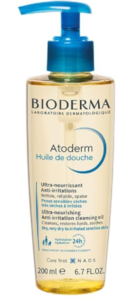
A cleansing-oil category product may be relevant when ordinary foaming cleansers feel uncomfortable. Check whether the current product is meant for the face, body or both, and whether its fragrance and washing directions suit you.
Consider it for: Comparing gentle cleansing textures. Check first: The current formula, intended use and packaging.
Bepanthen DERMA Gentle Face Cleanser
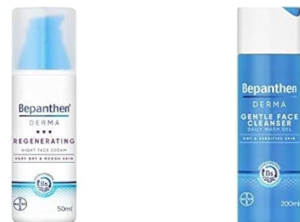
The earlier listing paired a cleanser with a night cream. Before buying a bundle, ask whether you need both products. If you already have a gentle wash, it may be more useful to compare moisturizers instead.
Consider it for: Evaluating a simple cleansing-and-moisturizing set. Check first: Pack contents and current ingredient list.
BYOMA Hydrating Serum
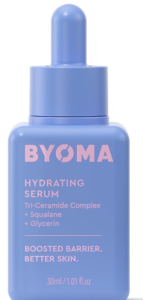
A hydrating serum may add a light layer of moisture support before cream. But it is an optional step, not a replacement for a moisturizer if your skin needs more protection.
Consider it for: Comparing hydrating serum textures. Check first: Other active ingredients and whether a separate serum adds value.
Minimalist Barrier Moisturizer
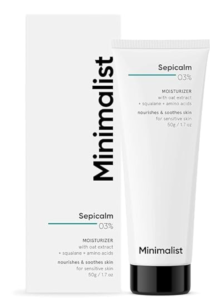
Moisturizers marketed for barrier comfort are worth assessing by texture, full formula and how they feel after washing. Their names alone do not establish what they can treat.
Consider it for: Comparing cream textures and affordability. Check first: The currently sold product and whether you need a lighter or richer finish.
What About the Acids and Retinoids in the Old Product List?
The earlier article also included exfoliating treatments and azelaic-acid formulas. Those are not routine substitutes for a moisturizer. They address different goals, and many can irritate sensitive or very dry skin.
If you are dealing with painful cracks, inflamed patches or a suspected skin condition, do not try to fix everything with a strong serum. Ask a clinician about the cause, especially when symptoms continue despite gentle care.
Five Common Dry-Skin Mistakes
- Washing with very hot water. Try warm or lukewarm water instead.
- Using a harsh cleanser twice just to feel clean. Clean gently and use only as much as needed.
- Waiting until skin feels tight before moisturizing. Apply a suitable cream while the skin is slightly damp.
- Stacking exfoliants and retinoids. Reduce irritating treatments when your skin is uncomfortable.
- Buying many products at once. Start with a few essentials so you can tell what actually helps.
Frequently Asked Questions
Should dry skin use face wash every morning?
That depends on your skin and routine. Gentle cleansing matters more than a rigid schedule. Avoid harsh products that leave your face tight.
Is a hydrating serum enough without moisturizer?
Sometimes a light product is all someone needs, but very dry skin often benefits from a richer cream or ointment to reduce moisture loss.
Is it safe to exfoliate flaky, irritated skin?
Do not use strong exfoliating products on already irritated skin without appropriate advice. Flaking can have several causes, and more peeling is not always the solution.
When should I seek professional advice?
Speak to a clinician if dryness is persistent, very itchy, bleeding, painful or associated with a rash or swelling.
Final Thoughts
Your skin does not need a crowded shelf to feel comfortable. Start with a mild cleanser, a moisturizer that suits you and sunscreen. Then add treatments only when you can explain what problem they solve.
Want a basic routine for all skin types? Read the GearDepots Skincare 101 guide.
Editorial note: Product images are carried over from the original article and are not evidence of current availability or personal testing. The original repeated Amazon buttons were omitted because their destinations could not be tied reliably to individual products. Verify labels and retailers before buying.
Source: American Academy of Dermatology: Dermatologists’ top tips for relieving dry skin.