
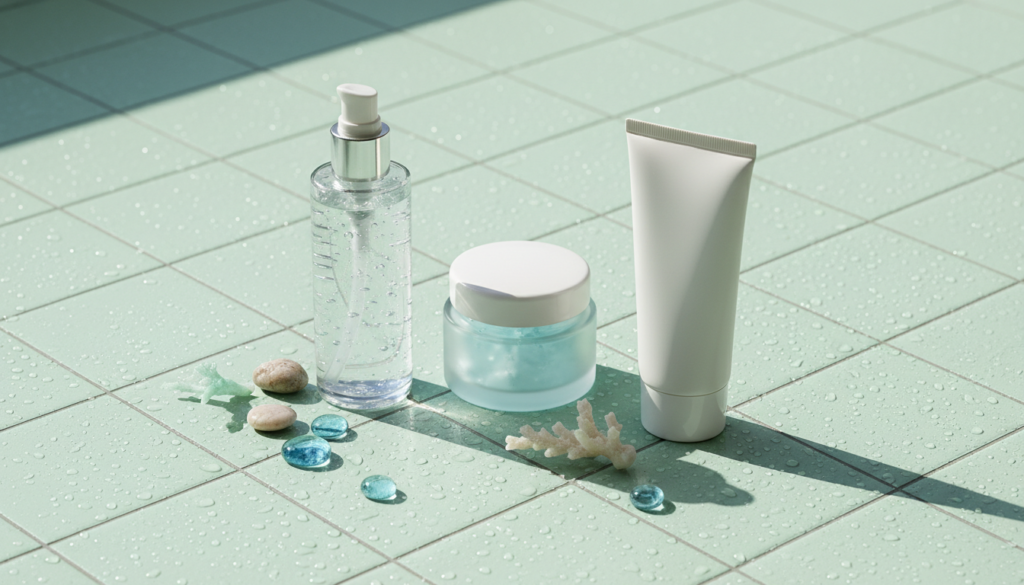
Your face looks shiny again, even though you washed it an hour ago. Do you reach for a stronger cleanser? Skip moisturizer? Add another serum?
That is where an oily skin routine can go wrong. Too many products can leave your skin feeling tight or irritated, while doing little to solve the problem that made you buy them.
You can start with something simpler. This oily skin skincare routine shows you what to use in the morning and evening, which optional ingredients deserve a closer look, and how to avoid paying for products you do not need.
Quick answer: Wash gently, moisturize as needed with a light formula, and use broad-spectrum SPF 30 or higher during the day. Consider an extra treatment only when it addresses a particular concern such as frequent blemishes. The right routine is one your skin tolerates consistently.
Why Does Your Skin Look Oily?
Your skin produces sebum, an oil that helps protect its surface. Some people naturally produce more than others. You may notice shine across the forehead and nose, or throughout your face. Heat, humidity, makeup, cleansing habits and the products you use can change how oily your skin feels.
Oiliness does not automatically mean your skin is well hydrated. And a shiny forehead does not mean every cream is a bad idea. What matters is how your skin feels after washing and whether your products leave you comfortable.
Think about the last time your face felt unusually tight after cleansing. Was that the clean feeling you wanted, or a sign that the cleanser was too harsh?
The American Academy of Dermatology’s guidance on oily skin recommends gentle washing and products labeled oil-free and noncomedogenic. It also advises against aggressive scrubbing.
A Simple Morning Oily Skin Skincare Routine
1. Wash With a Gentle Cleanser
Start with a mild cleanser and lukewarm water. You are removing overnight oil and residue, not trying to strip every trace of moisture from your skin.
A gentle foaming or gel cleanser may feel comfortable for oily skin. If a product leaves you stinging, unusually dry or itchy, stop and reassess it. Washing more often is not automatically better.
2. Apply a Lightweight Moisturizer If Your Skin Needs It
Yes, oily skin can need moisturizer.
Look for a comfortable lotion or gel, ideally labeled noncomedogenic. You do not need the heaviest cream on the shelf. If certain areas feel dry while your T-zone is oily, you can apply more where your skin needs it.
Do not confuse a pricey formula with a necessary one. Texture, tolerance and the actual ingredient list are more useful than packaging claims.
3. Finish With Broad-Spectrum Sunscreen
Choose sunscreen labeled SPF 30 or higher, with broad-spectrum coverage. Water resistance is useful when you will be sweating or outdoors. Apply enough product for adequate protection, and reapply about every two hours while outside, especially after swimming or sweating.
If sunscreen feels greasy, try a different finish rather than skipping it. Gel, fluid and matte-texture formulas are among the options you can compare.
See the AAD’s sunscreen application guide for the practical details.
What About Your Evening Routine?
1. Remove Sunscreen, Makeup and Daily Buildup
If you wear heavy makeup or water-resistant sunscreen, you may find it easier to start with a suitable makeup remover or cleansing balm. Then use a gentle face wash if needed. You do not have to double-cleanse just because it is a trend.
Rinse carefully. Pat your face dry instead of rubbing it with a towel.
2. Decide Whether You Actually Need a Treatment
If cleansing, moisturizing and sunscreen are working, you may not need a separate serum. If acne, clogged pores or uneven-looking tone is your main concern, compare ingredients according to that problem rather than buying whatever is advertised as “oil control.”
Start one new treatment at a time. Follow its label and use it less often or stop if you develop irritation. Persistent or painful acne deserves advice from a qualified clinician.
3. Moisturize Before Bed When Needed
Use a comfortable moisturizer after cleansing or after a treatment, depending on the product’s directions. A thin layer may be enough. If you wake up with tight or flaky skin, review whether your cleanser or active treatment is drying you out.
Which Ingredients Make Sense for Oily Skin?
Niacinamide: A Useful Option, Not a Required Step
Niacinamide appears in many moisturizers and serums. Some people choose it for overall skin comfort or the appearance of uneven tone. But a 10% or 12% serum is not automatically better than a lower-strength formula. The complete formulation matters, and higher concentrations may not suit reactive skin.
Check whether your moisturizer already contains niacinamide before adding another bottle.
Salicylic Acid: Consider It for Clogged Pores
Products containing salicylic acid may help certain acne-prone routines. They can also cause dryness or irritation. If your skin is already sore or peeling, adding more exfoliation is unlikely to be the right first move.
Glycolic Acid and Other Exfoliating Acids: Use Caution
Exfoliating toners are not a substitute for ordinary cleansing or sun protection. You should not combine several strong acids simply because each is marketed for glow, pores or texture. Keep track of what you are using and how often.
Hyaluronic Acid, Glycerin and Other Humectants
Hydrating ingredients may be useful when your skin feels tight but you prefer lighter textures. Their effect depends on the finished product, not one ingredient name on the label.
How to Compare the Products Already on Your Shopping List
The previous version of this article mentioned several products, including COSRX Low pH Good Morning Gel Cleanser, Cetaphil Oily Skin Cleanser, The INKEY List Fulvic Acid Cleanser, Neutrogena Hydro Boost Water Gel, Glow Recipe Watermelon Pink Juice, two niacinamide serums and exfoliating toners from Pixi and The Ordinary.
They are different kinds of products. Comparing all of them as though they serve the same job would make a shopping decision harder than it needs to be.
| Product type | What to compare | When to be cautious |
|---|---|---|
| Gel or foaming cleanser | How gently it removes oil and residue; fragrance and rinsing comfort | If washing leaves skin tight, red or sore |
| Light moisturizer | Texture, comfortable hydration and the complete formula | If it causes persistent discomfort or breakouts |
| Niacinamide serum | Strength, supporting ingredients and whether you need a separate serum | If multiple active products already irritate your skin |
| Exfoliating toner | Type of acid, directions, tolerance and treatment frequency | If you have peeling, sensitive or damaged-feeling skin |
| Daily sunscreen | Broad-spectrum SPF 30+, finish, water resistance and wearability | If the finish discourages adequate application |
Editorial buying note: Product names above are examples retained from the original article, not hands-on endorsements. Their current formulas, prices and Amazon destinations have not been independently checked for this revision. That is why this review draft does not reproduce the original repetitive “Buy Now” buttons.
Once the exact retail listings are confirmed, a useful product comparison should give each item its own accurate link, a clear reason to consider it, at least one limitation and an honest note about who should skip it.
Five Mistakes That Can Make Oily Skin Feel Worse
- Washing every time you notice shine. Try a gentle routine rather than repeatedly scrubbing.
- Skipping moisturizer automatically. Adjust texture and amount instead of assuming oiliness means your skin never needs hydration.
- Using several exfoliants at once. Add one targeted treatment at a time and watch for irritation.
- Buying only by the largest ingredient percentage. A stronger label does not guarantee a better result for your skin.
- Ignoring sunscreen because it feels heavy. A more comfortable formulation may help you use enough consistently.
Frequently Asked Questions
Should you wash oily skin three or four times a day?
Usually, that is unnecessary. The AAD advises washing up to twice daily and after sweating. Gentle cleansing matters more than scrubbing repeatedly.
Can you have oily and dehydrated skin at the same time?
Yes. Sebum and skin hydration are different. A routine that dries your skin out can leave it uncomfortable even if the surface looks shiny.
Do you need a toner for oily skin?
No. Toner is optional. If your cleanser, moisturizer and sunscreen suit you, a toner may add little value.
Should everyone with oily skin use retinol?
No. Retinoids may be used for specific concerns, but they can irritate the skin and are not a universal first step. Ask a dermatologist if you are unsure about suitability, particularly during pregnancy or when treating acne.
What if your skin stays irritated or breakouts become painful?
Stop introducing new actives and speak with a qualified healthcare professional. A shopping guide cannot diagnose the cause of a persistent skin problem.
Final Thoughts
Start with a cleanser that leaves your face comfortable. Pick a moisturizer that feels right on your skin. Use sunscreen every day. Then ask whether an extra product solves a real problem or just adds another step.
That is a better starting point for an oily skin skincare routine than buying nine bottles at once.
For a broader introduction, see our Skincare 101 guide.
Sources: American Academy of Dermatology: How to control oily skin; AAD: How to apply sunscreen; AAD: Moisturizer and acne-prone skin.