
Your lips look darker than they used to. Should you buy a brightening balm, a tinted SPF product or just something more moisturizing?
Start with the reason the color changed. That matters more than the promise on the package.
When you compare lip balms for dark lips, remember that natural lip color varies. A balm can help with dryness and may protect against sun exposure, but no cosmetic product can promise to permanently change your natural pigmentation.
This guide explains the ingredients worth comparing, how to protect irritated lips and what to look for in five products mentioned in the original GearDepots article.
Why Do Lips Sometimes Look Darker?
Lip color is partly genetic. Sun exposure, dryness, irritation, friction and other factors can also affect the way lips look. Some people develop darker patches after inflammation or repeated reactions to cosmetic products.
That does not mean every dark lip needs treatment. If the color has always been normal for you, there is no health reason to try to make it lighter. If a spot is new, persistent, changing, bleeding or accompanied by a sore, have it examined rather than trying to bleach it at home.
What a Good Lip Balm Can Do
Protect Dry, Chapped Lips
A gentle balm or ointment can help reduce discomfort and moisture loss. Petrolatum and similar protective ingredients are useful for some people. If you keep licking your lips because they feel dry, try a non-irritating moisturizer instead; repeated licking can worsen the problem.
Help With Daytime Sun Protection
For outdoor use, the American Academy of Dermatology recommends lip balm with SPF 30 or higher. Reapply according to directions, particularly after eating, drinking or spending time outside.
Look for a clearly labeled sun-protective product. A balm that simply says “brightening” is not automatically a sunscreen.
Reduce Irritation From Your Routine
Fragrance, flavorings and harsh exfoliating routines can trouble sensitive lips. If a balm stings every time you use it, that is a reason to stop, not proof that an active ingredient is working.
Five Lip-Care Products From the Original Article
These items are retained as historical shopping examples, not newly tested recommendations. Before buying, verify the current package, full formula and official directions. Some products make brightening claims that should not be treated as proven medical results.
1. Melalumin Lip Lightener
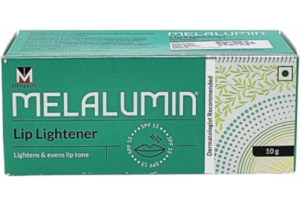
Its product name suggests a pigmentation-focused treatment rather than an ordinary barrier balm. That distinction matters. Check the current ingredient list and whether professional advice is appropriate before applying a targeted active to the delicate lip area.
What to check: Current formulation, exact purpose, directions and irritation warnings.
2. GLOLIP-SP SPF 30 Gel
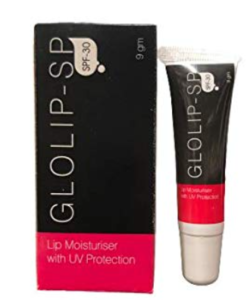
A product displaying an SPF label is worth comparing if daytime lip protection is your goal. But look at the currently sold version and its directions, not an old screenshot. SPF is useful only when the product is appropriate and applied as instructed.
What to check: Current SPF label, wear comfort and how often it needs reapplication.
3. Minimalist Vitamin C Lip Treatment Balm
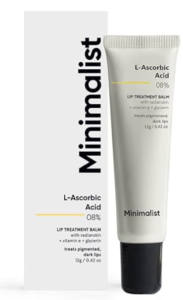
Products combining moisturizing and active ingredients can sound appealing. But a vitamin C ingredient name is not a guarantee that your natural lip tone will change. Look at the overall formula and pay attention to sensitivity.
What to check: Full ingredient list, fragrance, directions and any stinging after use.
4. The Derma Co Kojic Acid Lip Balm With SPF
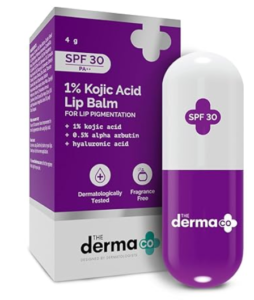
This archived product name combines pigmentation-targeted ingredients with an SPF claim. It is particularly important to check whether the current formulation and its protection rating match the old listing. Do not assume that combining more brightening ingredients makes the product more suitable.
What to check: Latest formula, SPF label, directions and whether sensitive lips can tolerate it.
5. Juicy Chemistry Blood Orange & Rosehip Lip Balm
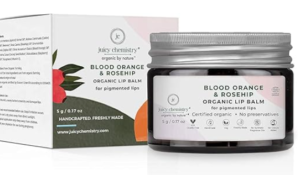
A balm marketed with botanical oils may be interesting for moisture and texture, but “natural” does not mean free from allergens. Some scented or flavored products can irritate the lips.
What to check: Fragrance, flavorings, ingredients and whether it includes sun protection.
How to Choose a Lip Balm Without Overpaying
- Decide what you need. Is the problem chapping, sun exposure, irritation or a genuinely new pigmentation change?
- Start with gentle moisture. A plain, comfortable product may be enough for routine dryness.
- Use SPF outdoors. Look for SPF 30 or higher and follow reapplication directions.
- Check for irritants. If your lips react to flavors or fragrance, avoid them rather than repeatedly switching to harsher products.
- Get new dark patches checked. Medical assessment is more useful than buying another lightening product when the cause is uncertain.
Common Lip-Care Mistakes
Scrubbing or peeling at dry lips can make irritation worse. So can trying several new brightening products at once. Another easy mistake is using a product with no SPF for outdoor sun protection just because it contains the word “glow.”
If you are shopping online, check current pack size and seller authenticity. The cheapest listing is not automatically good value.
Frequently Asked Questions
Can a lip balm make dark lips permanently pink?
No product can reliably promise to change a person’s natural lip pigmentation permanently. Treat dryness and protect against sun exposure first.
Should everyone use a lip balm with kojic acid?
No. An active treatment is not necessary for ordinary lip moisture, and the cause of pigmentation matters. Seek advice for unusual or persistent changes.
Is SPF 15 enough for lips?
The AAD recommends SPF 30 or higher for lip protection when outdoors. Use an appropriate product and reapply it as directed.
What if a lip balm burns?
Stop using it and check for potential irritants. Persistent discomfort or sores should be evaluated by a healthcare professional.
Final Thoughts
Do not choose a balm just because the label promises a new lip color. Keep the skin comfortable, protect it from the sun and investigate unexpected changes. If you already have a gentle balm that works, you might not need a special treatment at all.
For the rest of your routine, see our Skincare 101 beginner guide.
Editorial note: Historical images are not evidence of personal product testing or current seller details. Repeated legacy affiliate buttons were removed because their product destinations were not verified.
Sources: AAD: Heal dry, chapped lips; AAD: Sunscreen FAQs.