
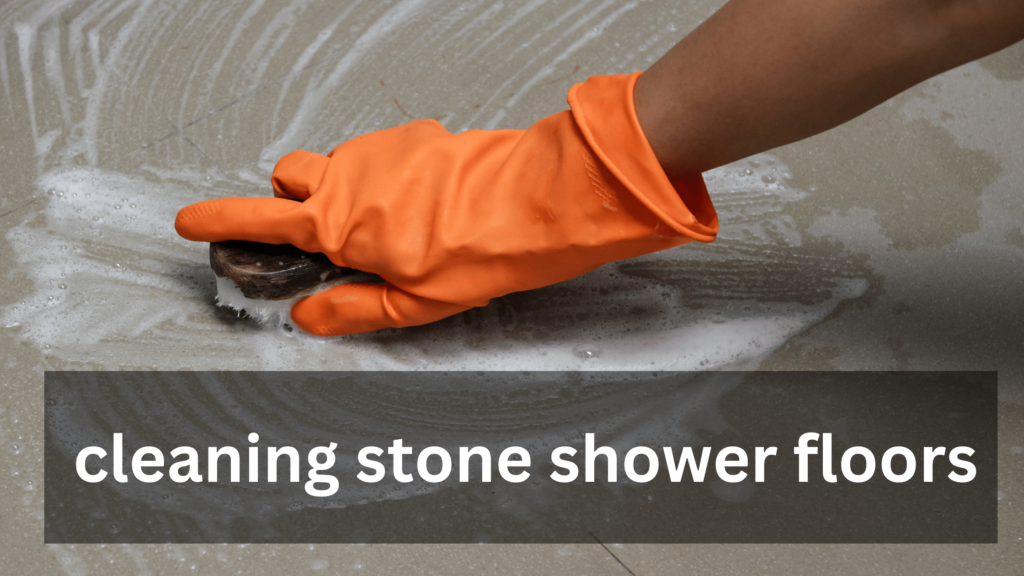
Quick answer: To clean natural stone shower floors safely, identify whether the surface is marble, limestone, travertine, slate, granite or a mixed stone mosaic. Use a neutral cleaner approved for that stone, a soft brush or cloth, and the rinsing and drying method on the product label. Avoid vinegar, lemon, bleach and abrasive pads unless the stone manufacturer gives specific contrary guidance. Acid can etch some stone surfaces.
Why Natural Stone Shower Floors Need Special Care
Stone showers collect soap scum and minerals, but ordinary ceramic-tile cleaners are not automatically safe on natural stone. Marble, limestone and travertine are especially vulnerable to acids; some other stones and sealers can also be affected. The Natural Stone Institute recommends understanding the stone type first and using compatible neutral cleaning products.
Before You Clean: Identify Stone, Grout and Damage
Before cleaning, remove loose hair and debris near the drain, ensure ventilation and check the stone, grout and sealer for damage. If grout is cracked, the shower is leaking or the stone shows a dull etched patch, do not scrub harder. Etching is surface damage, not simply dirt, and may require professional restoration.
Choose a Stone-Safe Cleaner, Not a DIY Paste
Do not prepare a vinegar, oil, dish soap or baking-soda paste as an all-purpose stone cleaner. Use a stone-compatible neutral cleaner with the exact dilution and contact time specified by its manufacturer. Apply it with a soft microfiber cloth or non-scratch brush suited to the stone texture, and keep harsh solutions away from grout and metal fittings.
How to Clean a Stone Shower Floor Step by Step
For routine cleaning, use a compatible product, clean one small section at a time, then rinse away residue only as the manufacturer advises. Avoid leaving chemical products to dry on porous stone or flooding damaged grout lines. A squeegee or clean towel helps limit remaining moisture after showering.
Rinsing and Drying Natural Stone
When the cleaner has been used as directed, rinse and dry the floor without aggressive buffing. Drying can reduce water spots and residue. If a patch remains cloudy, identify whether it is a mineral deposit, etching, sealer haze or leftover soap film before selecting any stronger product.
Read More How to Clean Stained Vinyl Flooring
Frequently Asked Questions
What are some effective ways of cleaning stone shower floors?
Use an approved stone-safe neutral cleaner, soft nonabrasive tools and a clean rinse cloth. Do not use a mixture of white vinegar and baking soda on stone. If the surface is marble or limestone, acid exposure can damage the finish rather than remove soap scum safely.
How do I get rid of soap scum and mildew from my stone shower floor?
Choose a non-acidic soap-scum remover specifically approved for the stone and grout. A persistent dark patch or musty odor can indicate a moisture or ventilation problem rather than soap residue. For suspected mold or damaged grout, address the underlying water issue and seek professional assistance if needed.
How do I clean glass walls and mirrors in my shower?
Treat glass walls and mirrors separately using cleaners suitable for those materials, but prevent acidic sprays from drifting onto nearby natural stone and grout. A soft cloth and careful application can help. Rinse or wipe splashes before they reach incompatible stone finishes.
How Should Grout Be Cleaned Without Removing It?
Do not remove intact grout as part of routine shower cleaning. Use a soft nylon brush and a grout-compatible cleaner to lift surface soil, then dry the area. Loose, crumbling, or mold-damaged grout may require a specialist to repair it; do not substitute random chemicals or sealants for proper repair.
Should You Seal Natural Stone Shower Floors?
Sealing requirements depend on the stone, joint system and the product used during installation. Some stones benefit from penetrating sealers, but a sealer does not make stone fully stain-proof or eliminate moisture problems. Follow the installer or manufacturer and never seal over a wet or unclean surface.
Conclusion
Natural stone shower-floor care starts with knowing the stone, using neutral stone-safe cleaners, working with soft tools and drying the surface after rinsing. Avoid ordinary acidic bathroom cleaners, harsh scrubbers and untested DIY mixtures. Consult a stone-care specialist for persistent etching, leaks or failing grout.
References: Natural Stone Institute: Care and Cleaning; Daltile: Natural Stone Maintenance. Always follow the instructions for your installed stone and finish.