What does “dermatologist-approved” actually mean?
Short answer: The phrase can have different meanings depending on the product and seller. It does not automatically mean that a dermatologist personally reviewed your skin, that independent clinical testing was performed or that the product is safe for everyone. Ask who provided the endorsement, what was evaluated and whether the claim applies to the current formula.
Look for verifiable information
| Claim | Question to ask |
|---|---|
| Dermatologist-approved | Which clinician or panel, for which product and under what criteria? |
| Clinically tested | Was the finished product tested? Sample size and outcomes? |
| Suitable for all skin types | Were sensitive, acne-prone and deeper skin tones adequately represented? |
| Helps pigmentation | Which type of pigmentation, using what method and timeline? |
| Non-comedogenic | What evidence or test supports this claim? |
Ingredients are not the same as finished-product results
Niacinamide, azelaic acid and hyaluronic acid may appear in formulations with different functions. A research paper about one ingredient does not prove that every bottle containing it improves a condition. The original product list included several different brands and doses and should not imply that GearDepots obtained individualized professional approvals for all of them.
How to assess a medical-sounding skincare article
- Look for an author and a clear editorial disclosure.
- Check whether sources come from reputable medical institutions or independent research.
- Separate cosmetic appearance claims from treatment for diagnosed disorders.
- Verify whether medications require a clinician’s prescription.
- Reject guarantees such as “cures all pigmentation in 30 days.”
When to seek a medical opinion
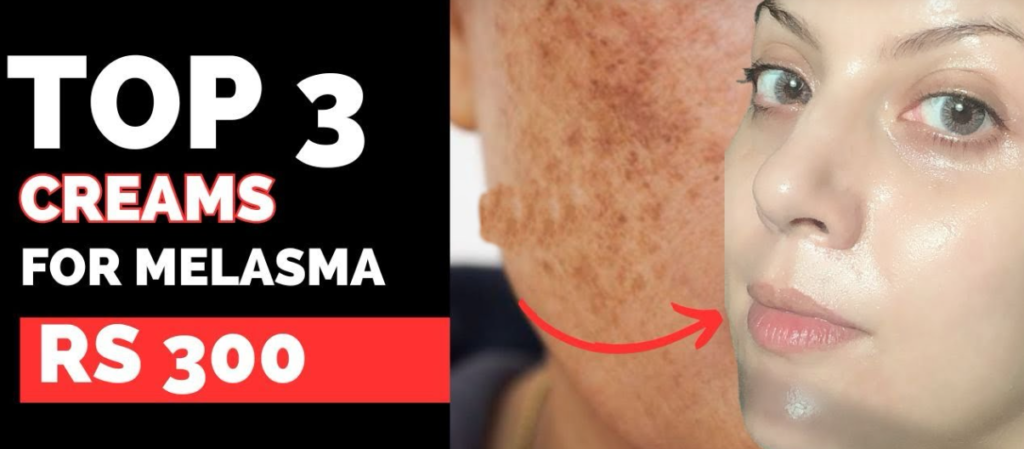
Persistent acne, changing pigmented lesions, melasma that is not responding to basic measures and significant irritation need qualified assessment. A product list cannot diagnose every person’s skin from a few marketing phrases.
Frequently asked questions
Does a paid brand collaboration count as clinical evidence?
No. Advertising and independent testing are different.
Is a higher active percentage always better?
No. Formula, skin tolerance and indications matter.
Can an online review replace a dermatologist?
Not when a diagnosis or prescription is needed.
Sources: Google guidance on trustworthy people-first content, AAD medical treatment information. Related: melasma cream categories.
Original product photographs
These photographs are historical examples only. They do not establish current prices, independent product testing or that a treatment is safe for everyone. Prescription medicines should not be bought based on an old product listing.


Original topic video
Watch the video associated with the original article. Old medicinal or marketing claims should be checked independently.
Editorial note: This is an evidence-informed educational guide, not a personal diagnosis, prescription or first-hand controlled product test.