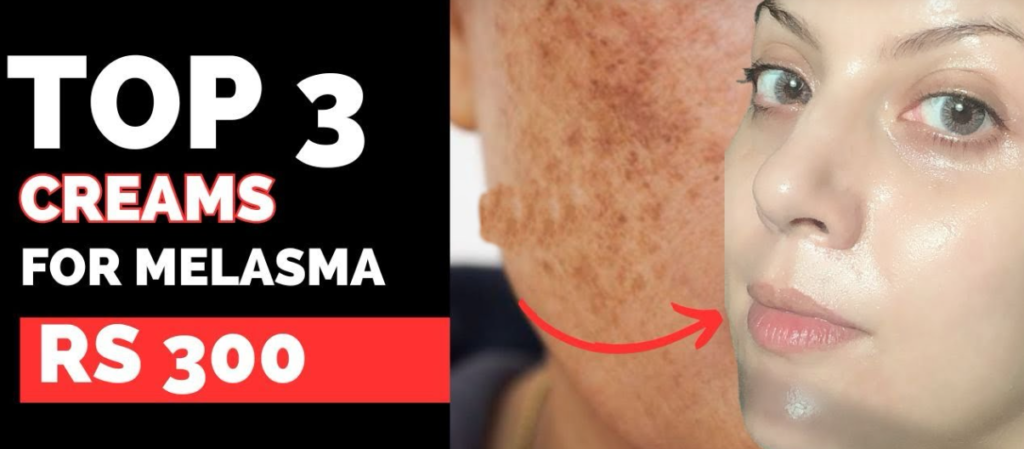

Can one skincare routine improve pigmentation, wrinkles and dark circles?
Short answer: A gentle routine with moisturizer and sunscreen supports skin care generally, but the three concerns have different causes. Dark spots may follow acne, sun exposure or melasma; fine lines can involve dryness and photoaging; under-eye darkness may involve pigment, shadows, rubbing, allergies or anatomy. No single serum can be promised to correct all of them.
Identify what you actually want to change
| Concern | Examples of causes | What to consider |
|---|---|---|
| Brown dark spots | Post-acne marks, melasma or other pigment changes | Diagnosis, sun protection and suitable treatment |
| Fine lines | Skin dryness, aging or sun exposure | Moisturizer, sunscreen and selected retinoid therapy if appropriate |
| Under-eye darkness | Hollow shadows, pigmentation or irritation | Cause-specific assessment rather than one “lifting” cream |
| Red post-acne marks | Post-inflammatory erythema | Different from brown pigment and indented scars |
The basics that overlap
Gentle cleansing helps remove dirt and sunscreen. An appropriate moisturizer may improve the appearance of dryness-related texture. Broad-spectrum SPF 30+ sunscreen protects against UV exposure and can be especially important when pigmentation is involved. Tinted sunscreen containing iron oxides may help people with melasma that worsens from visible light.
Why eye products require separate expectations
The original page listed caffeine and peptide eye creams alongside cleansers and pigment products. A moisturizing eye cream can temporarily soften dry-looking lines, but it cannot fill a hollow tear trough or guarantee correction of dark circles caused by other factors. The exact product should be formulated and labeled for the eye area.
Where retinoids fit
Retinoids may be useful for selected photoaging or acne concerns under appropriate guidance, but can irritate and are generally avoided during pregnancy. Adding several retinoid products together does not guarantee a faster improvement in wrinkles. Follow the exact label or prescription directions.
A practical decision sequence
- Choose one priority concern rather than trying ten treatments.
- Keep cleanser, moisturizer and sunscreen consistent.
- Identify whether a specialist assessment is needed for changing spots, persistent melasma or sudden under-eye symptoms.
- Introduce only one suitable new treatment at a time.
- Track comfort and changes realistically over time.
Frequently asked questions
Will vitamin C erase dark circles?
No universal benefit can be promised because causes vary.
Does any routine stop aging?
No. Skincare may support comfort and selected appearance concerns.
Should I put a strong retinoid close to my eyes?
Use only products intended for that area as directed.
Sources: AAD retinoids, dark spots guidance. Related: eye cream guide and pigmentation guide.
Product photos from the earlier video
These photographs illustrate historic listings; they are not a claim that the products were independently tested or are appropriate for all users. Medicine and formula information should be checked on current packaging.


Original YouTube video
Watch the video associated with the original topic; old prices, product claims and treatment instructions should be checked independently.
Editorial note: Informational guidance drawn from cited references, not personal medical advice or a verified first-hand product test.