
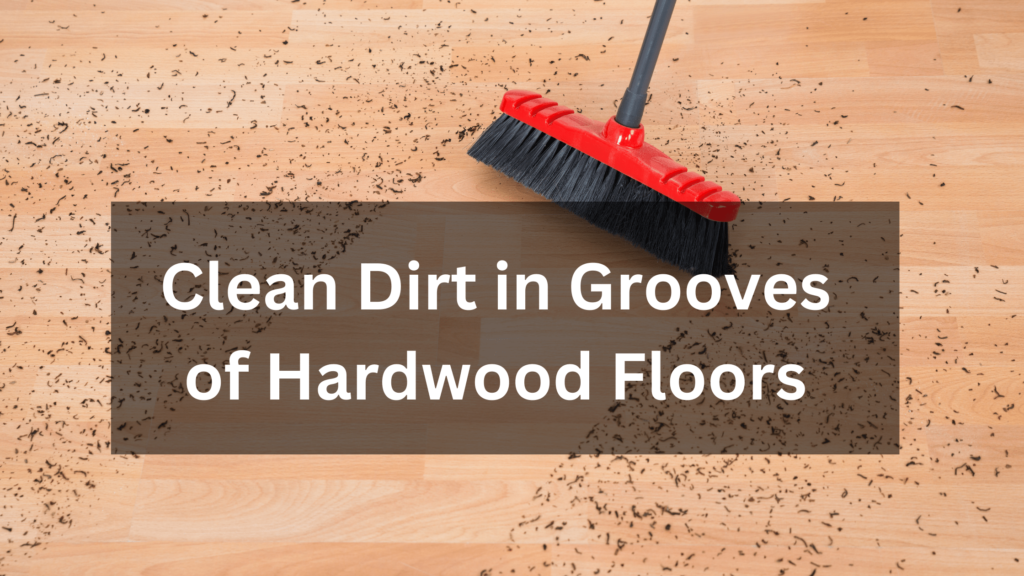
Quick answer: Remove dry grit from the grooves in hardwood floors with a soft-bristle brush, clean microfiber cloth or a vacuum on a safe bare-floor setting. If sticky debris remains, follow your specific floor-finish manufacturer’s spot-cleaning instructions. Do not soak seams, flood grooves or assume that ammonia or vinegar mixtures are safe for wood flooring.
How to Clean Dirt in Hardwood Floor Grooves Safely
Start by identifying whether the floor is sealed, oiled, waxed or unfinished. Use a soft brush to loosen dirt along the grain, then vacuum with an attachment that does not scrape the boards. A grooved texture can trap particles, but heavy rubbing can damage edges and protective coatings. Keep liquid out of seams.
Do You Need a Cleaning Solution for Hardwood Floor Grooves?
You do not need a homemade mixture for ordinary dust. Dry cleaning is the first choice. For sticky residue, check the cleaner and moisture allowance specified by the flooring or finish manufacturer. Apply a small amount to a cloth only if permitted, not directly into board gaps. Avoid vinegar, ammonia, excessive detergent and steam as default methods.
Step-by-Step Hardwood Floor Groove Cleaning
Vacuum every groove slowly with a suitable narrow nozzle and a bare-floor setting. Follow with a soft brush to lift remaining grit, then vacuum again. Inspect for damaged finish or raised edges. Wipe any permitted spot-cleaning moisture promptly, especially where boards meet, and allow the floor to dry.
Related guides: Step-by-step wood floor cleaning and safe care for unfinished wood floors. Both explain why the finish determines how much moisture is appropriate.
Frequently Asked Questions
What’s the easiest way to remove dirt and dust off hardwood?
Removing grit does not require flooding the floor. Sweep, vacuum or dust-mop with clean soft tools. For a stubborn mark, first identify whether it is surface dirt, a stain or finish wear; a floor professional may be needed if the color or wood fiber itself has changed.
Do I have to purchase certain detergents in order to clean my hardwood floors?
Detergent is not always needed. For dry soil use a vacuum or microfiber cloth. If more is required, choose a manufacturer-approved hardwood-floor product that is compatible with the particular finish. A mop or scraper that forces water and abrasive particles into grooves can create further damage.
What should I know about keeping my floor safe while I am vacuuming?
Use a non-scratching bare-floor attachment and avoid rotating brush heads that may harm some wood finishes. Loosen dry particles with a soft brush before vacuuming; do not push gritty debris across the coating. Avoid hose tips with sharp hard edges on the planks.
Can I Pour Water Into Hardwood Floor Grooves?
No. Pouring or leaving water in joints may cause staining, swelling or damage to the finish. If damp cleaning is approved for the installed floor, use a lightly moistened pad instead of a bucket of water. Wipe up any moisture right away.
How do I know when it’s time to refinish my hardwood flooring?
A dark groove may be accumulated dirt, permanent staining, worn protective finish or a gap exposing untreated wood. Clean dry grit first. If the dark mark remains or the boards have rough edges, discuss refinishing with a flooring professional rather than scrubbing with stronger chemicals.
Conclusion
The safest way to clean dirt in hardwood grooves is dry grit removal with a soft tool, targeted treatment only as approved by the floor-finish manufacturer and immediate drying of any moisture. This method helps protect joints and coatings while keeping the article focused on practical groove-cleaning questions.
Further reading: National Wood Flooring Association — wood-floor maintenance.